
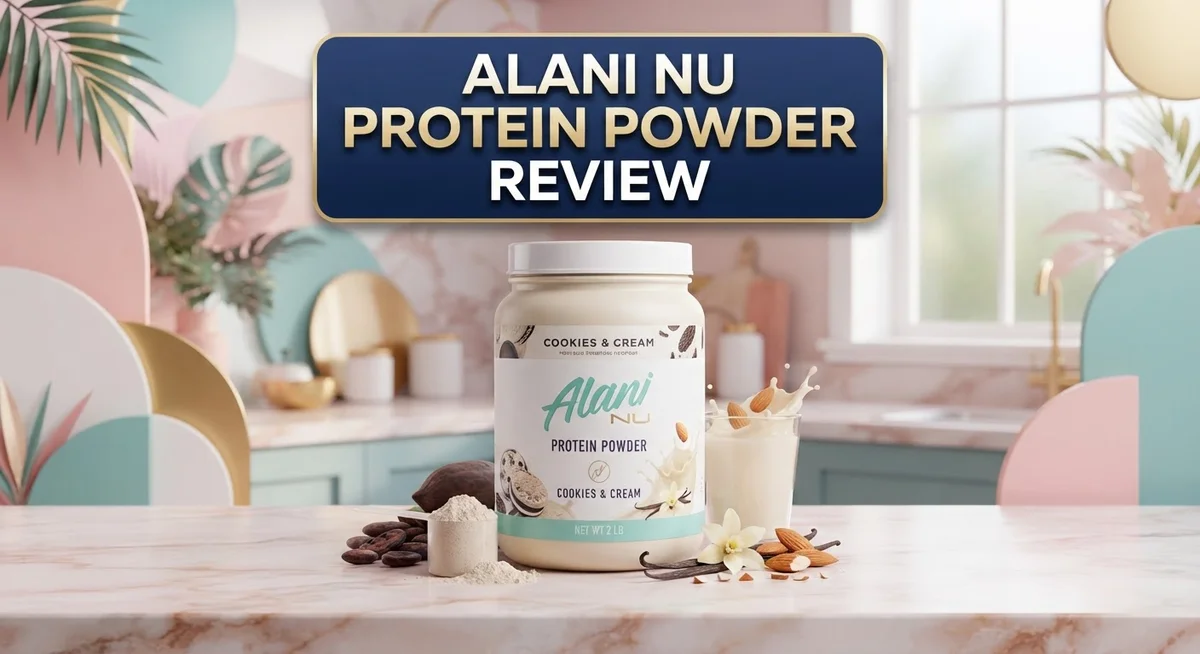
Protein powder shopping can feel tricky. So many brands promise big results, but few actually deliver on taste and nutrition. That’s where Alani Nu Protein Powder comes into the picture.
This brand offers two options for fitness fans. You get a classic powder with 30g of protein per serving. You also get a ready to drink shake with 20g of protein and just 140 calories.
Both formats include 24 vitamins and minerals. Neither one contains added sugar. That makes Alani Nu a solid pick for people who watch their macros closely.
But does the taste match the hype? Is the powder better than the shake? We tested both formats to find out.
This review covers everything you need to know. We look at real pros, real cons, and how Alani Nu stacks up against competitors like Fairlife. Let’s jump in and see if this protein powder earns a spot in your daily routine.
In a Nutshell
Here is the quick scoop on Alani Nu Protein Powder before you decide:
- Protein Power: The powder packs 30g protein per serving. The ready to drink shake gives you 20g protein in each 355mL bottle at only 140 calories.
- Clean Formula: Both options skip added sugar. This makes them a smart pick for anyone watching sugar intake.
- Fast Absorption: Digestive enzymes help your body break down the protein quickly. You get rapid results without stomach discomfort.
- Texture Trouble: Some users find the powder version chalky and too sweet. The RTD shake tends to get better taste reviews overall.
- Caffeine Caution: A dietitian flagged the caffeine level as a concern for daily use. Check the label if you drink multiple servings a day.
- Meal Replacement Ready: The RTD shake works well as a quick meal substitute. It fits busy schedules without sacrificing nutrition.
- Stiff Competition: Brands like Fairlife offer similar protein content with fewer calories. Your final choice depends on your specific goals and taste preferences.
Nutritional Profile and Ingredient Quality
The nutritional profile of Alani Nu protein powder shows solid numbers on paper. Each serving delivers 30g of protein, which supports muscle recovery after workouts. The ready-to-drink format contains 20g protein in a 355mL bottle at just 140 calories. This makes both options work well for people watching their calorie intake.
What sets this brand apart is the 24 vitamins and minerals added to every serving. You get micronutrients that many basic protein powders skip. The formula includes digestive enzymes, which help your body absorb and process the protein faster. This matters if you want quick recovery without bloating.
The ingredient quality shows attention to detail in one key area. No added sugar means you avoid the crash that comes with sweetened alternatives. This is important for people managing blood sugar or following strict diets. The sweetness comes from other sources, which keeps the formula clean.
However, ingredient quality has a flip side. Users report that the powder version tastes chalky and overly sweet in the mouth. This suggests the sweetening agents or texture additives may not blend smoothly for everyone. The ready-to-drink shake performs better here—people enjoy mixing it into coffee for a flavored boost.
One concern emerged during testing. Caffeine content raised red flags with a registered dietitian. While some people want energy in their protein, daily use of this product may deliver more caffeine than is safe for certain individuals. This matters if you already drink coffee or energy drinks.
The ingredient list works best for specific goals. If you want fast absorption and clean nutrition, this formula delivers. If you prefer smooth texture and mild sweetness, the RTD shake outperforms the powder. The digestive enzymes and vitamin blend make this more than basic whey protein. Just consider your caffeine tolerance and taste preferences before committing to either format.

- ULTRA PREMIUM PROTEIN POWDER: Created with a blend of Whey Protein Isolate & Whey Protein Hydrolysate, our high-quality...
- GO ALL THE WHEY: Our ultra-fine protein blend seamlessly mixes into water or beverage of your choice to leave a...

Last update on 2026-09-24 / Affiliate links / Images from Amazon Product Advertising API
Flavor, Taste, and Mixability
When you mix the Alani Nu powder, you’ll notice it doesn’t dissolve as smoothly as some competitors. The texture comes out grainy and chalky, which affects the overall drinking experience.
The flavor profiles are bold and sweet. Cookies & Cream tastes like a dessert shake rather than a protein supplement. Fruity Cereal delivers that nostalgic breakfast vibe. Both flavors lean heavily on sweetness, so if you prefer subtle tastes, these might feel overpowering.
Here’s where the RTD shake shines compared to the powder. The ready-to-drink version mixes perfectly with no effort needed. Users report that the RTD shake works especially well when added to coffee, creating a creamy protein coffee drink. The taste feels smoother and less artificial than the powder form.
Mixability differs between formats. The powder requires vigorous shaking or blending to break up clumps. A standard shaker bottle works, but you’ll get better results with a blender bottle or electric mixer. The RTD shake eliminates this problem entirely since it comes premixed and ready to drink.
The digestive enzymes included in both formats don’t affect taste, but they do help with how your body processes the protein. This means faster absorption without any bitter aftertaste or digestive discomfort.
One key point stands out: the RTD shake outperforms the powder in taste and mixability. If you prioritize convenience and smooth texture, the ready-to-drink option wins. The powder version requires more effort and produces a less pleasant drinking experience.
Flavor intensity matters too. Some people love the bold sweetness. Others find it too much for daily consumption. You’ll want to try a single serving before committing to a larger purchase.
The bottom line on taste and mixability is clear. The RTD shake delivers a better overall experience with superior mixing and smoother flavor. The powder works if you tolerate chalky textures and intense sweetness. Your preference between formats will likely determine your satisfaction with this brand.
Powder vs. Ready-to-Drink Format Comparison
When you choose between powder and ready-to-drink formats, you’re making a decision about convenience and results. Let me break down what actually matters here.
The RTD shake delivers 20g protein per 355mL serving, while the powder packs 30g per scoop. If you want maximum protein, the powder wins on paper. However, the RTD shake contains only 140 calories, making it ideal for people watching their intake. The powder requires mixing, which adds a step to your routine but gives you flexibility in portion control.
Mixability shows a clear winner between the two. The RTD shake requires zero effort. You open, drink, and go. The powder version needs a shaker bottle or blender. Some users report a chalky texture that doesn’t dissolve smoothly, even with vigorous mixing. If you travel frequently or rush between activities, the RTD format saves you time and frustration.
Taste preferences split users into two camps. The RTD shake tastes smoother and blends well into coffee for a quick pick-me-up. The powder flavors like Cookies & Cream and Fruity Cereal come across as overly sweet to many people. Your taste buds matter here, so this one depends on what appeals to you personally.
Both formats include digestive enzymes and 24 vitamins and minerals, so you get the same nutritional foundation either way. The real difference lies in how you live your life. If you’re at home with time to prepare meals, the powder offers better value per serving. If you’re constantly on the move, the RTD shake fits seamlessly into your day.
One practical note: the RTD shake works as a standalone meal replacement because of its balanced nutrition and lower calorie count. The powder works better as a supplement to existing meals. Consider your lifestyle, your schedule, and how you plan to use the product. The RTD format wins for convenience and taste, while the powder wins for protein content and flexibility.
Top 3 Alternatives
Optimum Nutrition Gold Standard

- 24 g High-Quality Whey Protein per Scoop – 100% of the protein from whey for a fast-absorbing, complete protein source...
- 5.5 g Naturally-Occurring BCAAs + 11g of naturally occurring EAAs – Delivers essential amino acids including leucine...
Last update on 2026-05-26 / Affiliate links / Images from Amazon Product Advertising API
Optimum Nutrition Gold Standard stands out as a reliable choice for protein supplementation. This powder mixes smoothly and tastes great in shakes. The formula includes whey protein isolate and concentrate, giving you a complete amino acid profile. You get about 24 grams of protein per serving with minimal sugar.
Many users appreciate how this product dissolves quickly. It works well for post-workout recovery and daily protein intake. The ingredient list stays simple and clean without unnecessary additives.
Isopure Zero Carb Protein

- One 3 lb container (44 servings) of Isopure 100% pure whey isolate protein powder in delicious Creamy Vanilla flavor
- 25 grams of 100% pure whey protein isolate powder is the ideal choice for men and women looking to maintain a...
Last update on 2026-06-08 / Affiliate links / Images from Amazon Product Advertising API
Isopure Zero Carb Protein appeals to people watching their carbohydrate intake. This powder delivers 25 grams of protein per scoop with virtually zero carbs. The formula uses whey protein isolate, making it highly filtered and pure.
The taste comes through clearly without artificial heaviness. Athletes and fitness enthusiasts often choose this option for lean muscle support. The product mixes well in water or your favorite beverage.
Dymatize ISO 100 Whey

- OUR BEST-QUALITY PROTEIN: Dymatize ISO100 is our higest-quality protein, and it is designed to support muscle growth...
- WITH YOU, WE PUSH WHAT IS POSSIBLE: Just like you push to improve, Dymatize pushes protein to the next level. One of the...
Last update on 2026-05-31 / Affiliate links / Images from Amazon Product Advertising API
Dymatize ISO 100 Whey offers fast-absorbing protein in a convenient powder form. Each serving contains 25 grams of protein with minimal fat and carbs. The whey isolate base means rapid digestion after your workouts.
This powder comes in multiple flavors that taste enjoyable. Users report smooth mixing and consistent results. The product suits both beginners and experienced fitness enthusiasts looking for straightforward protein supplementation.
Each of these alternatives provides quality protein options. Your choice depends on your specific fitness goals and dietary preferences. All three deliver solid nutritional value for muscle recovery and growth support.
Digestive Enzymes and Absorption Benefits
Alani Nu protein powder includes digestive enzymes that work to speed up how your body breaks down and absorbs the protein you consume. These enzymes are present in both the powder and ready-to-drink formats, giving you consistent support regardless of which version you choose.
The digestive enzyme blend helps your stomach process the 30g protein per serving in the powder more efficiently. Your body can access the amino acids faster when these enzymes are present. This matters because rapid absorption means your muscles get the nutrients they need sooner after your workout or meal.
The RTD shake format also contains these same digestive enzymes, delivering them alongside 20g protein in each 355mL serving. The liquid format may offer slight advantages for absorption since the enzymes work on already-dissolved protein. Your digestive system doesn’t need to break down as much solid material first.
Beyond enzyme support, Alani Nu adds 24 vitamins and minerals to every serving. These micronutrients support nutrient absorption in your gut and enhance how your body utilizes the protein. Vitamin B6 and B12 specifically help convert protein into usable energy. Minerals like zinc support immune function alongside protein synthesis.
The combination of digestive enzymes plus comprehensive micronutrients creates a more complete absorption picture. You’re not just getting protein. Your body receives the supporting cast of nutrients needed to actually use that protein effectively.
One important note: these digestive enzymes don’t affect taste or mixability. They work silently in your stomach to improve how your body processes everything. The enzymes are particularly helpful if you have a sensitive digestive system or tend to feel bloated after protein shakes.
The fast-digesting formula means you won’t feel heavy or uncomfortable after consuming Alani Nu. Your stomach can process it smoothly without the sluggish feeling some protein powders create. This makes the product suitable for pre-workout timing or post-workout recovery when you want quick nutrient delivery without digestive distress.
Caffeine Content and Safety Considerations
Alani Nu protein powder contains caffeine, and this is a critical factor you need to understand before adding it to your daily routine. The exact caffeine amount varies by product format, so check your specific product label before purchase.
Caffeine sensitivity differs from person to person. Some people tolerate 100mg of caffeine without issues. Others feel jittery after just 50mg. If you’re sensitive to stimulants, this product may not be your best choice for daily use.
A registered dietitian flagged a legitimate concern: consuming Alani Nu protein powder every single day could push your total caffeine intake too high. This becomes especially risky if you also drink coffee, tea, or energy drinks throughout your day. Your body accumulates caffeine, and too much builds up over time.
Here’s what matters most: timing and frequency. Using Alani Nu as an occasional post-workout shake works fine for most people. Using it twice daily as your main protein source is riskier, especially if caffeine sensitivity runs in your family.
Watch for these warning signs. Headaches, trouble sleeping, increased heart rate, or anxiety after consuming the product signal you should stop or reduce usage. These symptoms mean your body is telling you the caffeine load is too much.
The RTD shake format contains different caffeine levels than the powder, so don’t assume both formats have identical amounts. Read each label carefully before switching between formats.
Pregnant women and people with heart conditions should avoid this product entirely. The caffeine content poses real risks for these groups. Talk to your doctor before using Alani Nu if you take medications or have any health concerns.
For safety, limit Alani Nu protein powder to 3 or 4 times per week if you’re new to it. This approach lets you gauge how your body responds without overwhelming your system. Once you understand your personal tolerance, you can adjust frequency accordingly.
The bottom line: caffeine in this product isn’t inherently dangerous, but daily consumption without monitoring your total caffeine intake creates unnecessary risk.
Pros and Cons
Pros
- Low calorie RTD shakes at 140 calories per serving make them work as meal replacements
- No added sugar keeps you away from unnecessary sweetness while still tasting good
- Fast digestion happens thanks to the digestive enzyme blend included in every serving
- 24 vitamins and minerals provide comprehensive micronutrient support beyond just protein
- RTD shakes taste great mixed into coffee for a convenient caffeine boost
Cons
- Powder format gets chalky and overly sweet, which turns off many users who prefer smoother mixes
- Caffeine content raises safety concerns if you drink it daily, according to registered dietitians
- User satisfaction splits sharply between the powder and RTD formats, so results vary by choice
- Powder and RTD contain different caffeine levels, making it hard to know your exact daily intake
Who Should Buy It
Alani Nu protein powder works best for specific fitness goals and lifestyle needs. Understanding who benefits most helps you decide if this product fits your routine.
Fitness enthusiasts who want quick post-workout recovery should consider this powder. The 30g protein per serving supports muscle repair after intense training sessions. The digestive enzyme blend means your body absorbs this protein faster than standard options. You get results when you need them most.
People seeking low calorie meal replacements find the RTD shakes particularly useful. At 140 calories per serving with 20g protein, these shakes work well between meals or as light lunch options. The no added sugar formula keeps you satisfied without empty calories.
Those who enjoy coffee based protein drinks have a unique advantage with Alani Nu’s RTD format. Mixing the shake into your morning coffee creates a convenient caffeine boost alongside your protein intake. This works especially well for busy mornings when you skip breakfast.
Individuals with sensitive stomachs may appreciate the digestive enzyme inclusion. These enzymes help your system process protein more smoothly. You experience less bloating compared to basic protein powders.
However, daily heavy users should pause and reconsider. The caffeine content raises concerns if you consume this every single day. A registered dietitian flagged this as a legitimate safety issue. If you drink multiple servings daily, you risk exceeding safe caffeine limits.
Powder format users need patience with texture. The powder tends to feel chalky and tastes overly sweet to many people. If you prefer smooth, creamy mixes, the RTD shakes serve you better than the powder form.
People on strict supplement schedules work better with the occasional use approach. Using Alani Nu as your post-workout shake several times weekly keeps you safe from caffeine overload. This timing strategy lets you enjoy the benefits without health concerns.
Athletes seeking comprehensive micronutrient support gain value from the 24 vitamins and minerals included. Your body gets more than just protein. You receive a broader spectrum of nutritional support in each serving.
The RTD format appeals to convenience focused individuals. No mixing required means you grab and go instantly.
Final Verdict
Alani Nu protein powder earns a solid spot in the crowded protein market. It brings real strengths to the table, especially for people who value taste and convenience over everything else.
The RTD shake format stands out as the stronger choice between the two options. It mixes smoothly, tastes good, and fits easily into a busy morning routine.
The powder version needs more attention before you commit fully. Some users struggle with its texture, and that can affect how consistently you stick with it.
Think about your own goals before choosing a format. If you want a grab and go option, the shake makes more sense. If you prefer control over ingredients and mixing, the powder still works with some patience.
This product suits certain people better than others. Athletes who train hard and need fast recovery will likely enjoy the benefits here. Casual users who just want a light snack replacement might find it useful too.
That said, this is not a universal fit for everyone. People who avoid caffeine completely should check the label closely before adding this to their routine.
Balance is the key takeaway from this whole review. Use this product with awareness of your own body and schedule. Avoid turning it into an everyday habit without checking in on how you feel.
The overall quality feels genuine and well thought out. Alani Nu clearly put effort into taste and nutrition, and that shows in the final product.
Small drawbacks exist, but they don’t overshadow the positives for most buyers. Chalky texture and sweetness issues in the powder are real, yet manageable with the right expectations.
In short, this protein option deserves a fair try. Test both formats if you can, and see which one clicks with your lifestyle. Your own experience will guide you toward the smarter long term choice.
Frequently Asked Questions
Does Alani Nu Protein Powder work for weight loss?
The RTD shakes shine here. Each shake contains only 140 calories with 20g of protein. This combination keeps you full without excess calories. The powder format also delivers protein without added sugar, making it suitable for weight loss goals. However, use it as a supplement to your diet, not a magic solution. Pair it with exercise and smart eating habits for real results.
Can I drink Alani Nu protein daily?
The powder contains caffeine, which raises concerns for daily consumption according to registered dietitians. If you choose the RTD shake format, check the caffeine content on the label first. Many users find the occasional use approach works better than daily heavy consumption. Listen to your body and adjust your intake based on how you feel.
Which format tastes better, powder or RTD?
The RTD shakes win on taste and convenience. People praise mixing them into coffee for a smooth, flavorful drink. The powder format gets chalky and overly sweet for many users. If taste matters to you, the ready-to-drink option is the stronger choice between the two.
Does this protein help with digestion?
Yes. Alani Nu includes digestive enzymes in every serving. This blend supports rapid absorption and helps your body process the protein efficiently. People with sensitive stomachs often appreciate this feature. The enzymes work to break down the protein faster, making it gentler on your digestive system.
How does Alani Nu compare to other brands?
Alani Nu stands out with its enzyme blend and micronutrient profile of 24 vitamins and minerals. Competitors like Fairlife offer similar protein amounts but lack the digestive enzyme advantage. The real difference comes down to your personal preferences and fitness goals.