
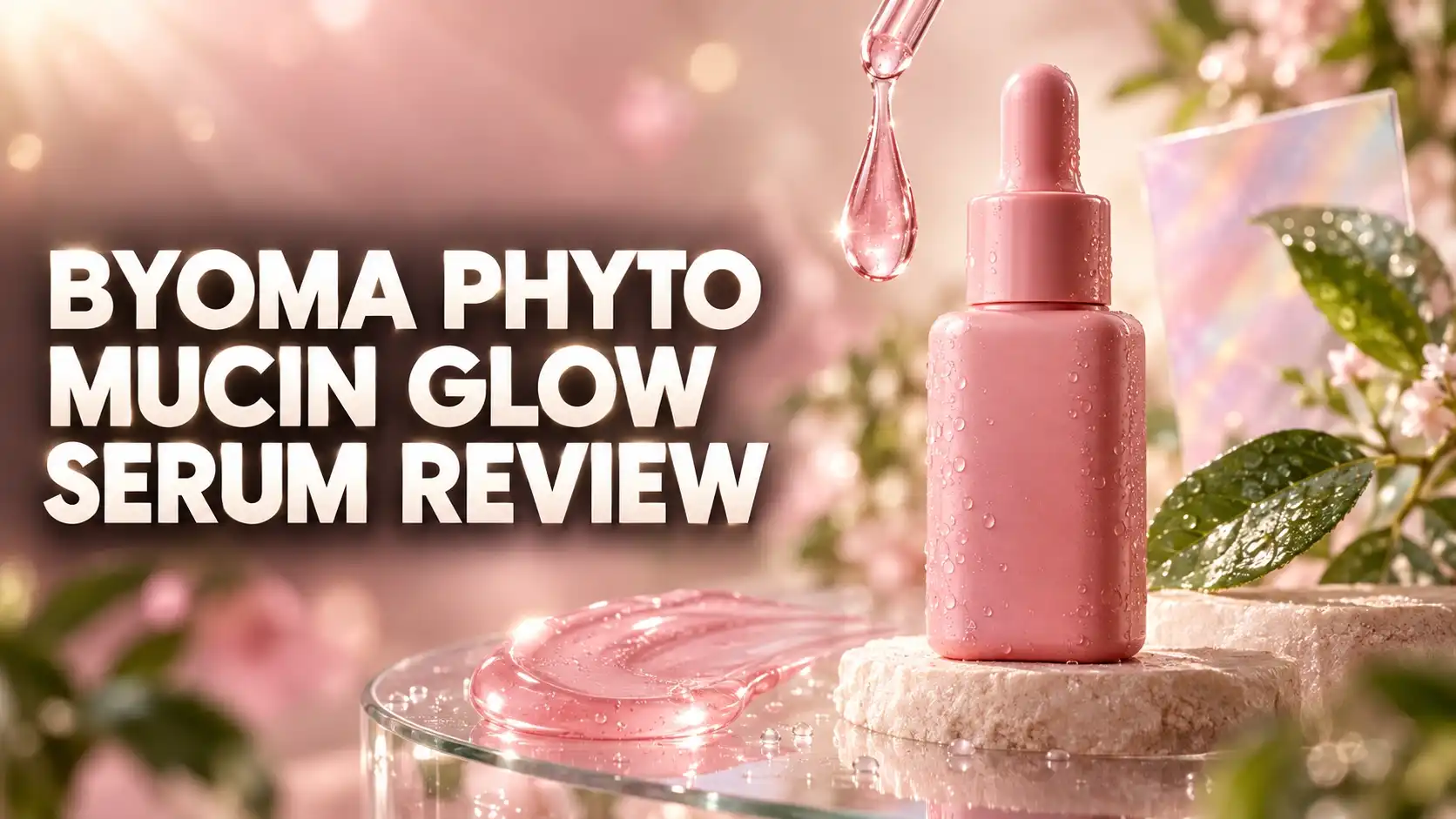
Glass skin is still a big trend in 2026. Snail mucin helped start the trend. Many people now want a vegan option, though. BYOMA Phyto Mucin Glow Serum offers that option. It uses plant mucin to give you a dewy glow, and it costs less than $20.
Is it worth the hype? Does it beat classic snail mucin? This review covers the ingredients, the texture, the results people report, the price, and who should buy it. By the end, you will know if this serum fits your skin.
Key Takeaways
- BYOMA Phyto Mucin Glow Serum is a vegan, cruelty free serum. It uses plant mucin from Japanese yam, okra, and jute leaf, and it skips snail secretion. It gives skin a plump, glassy glow at a drugstore price.
- The formula is full of hydrators. It mixes phytomucin with panthenol, three forms of hyaluronic acid, polyglutamic acid, and betaine. It also has ceramide NP, cholesterol, and phytosphingosine to support your skin barrier.
- The texture feels like snail mucin. It is slippery, thin, and stretchy. It sinks in fast and does not feel greasy. Many users wear it as a glowy base under makeup.
- It works best for dry, dull, and normal skin. People with fungal acne should be careful. The formula has fatty acids such as oleic acid and stearic acid, which may feed Malassezia yeast.
- The price is fair. The brand lists it at about $15.99 for a 40 ml bottle. One review site praised it as a cheaper, vegan swap for snail mucin.
- It is not a miracle fix. It hydrates and adds glow. Do not expect strong anti aging or acne results from it alone.
What Is BYOMA Phyto Mucin Glow Serum?

- INSTANT GLASS SKIN: This 5-in-1 super serum hydrates, plumps + primes while supporting the skin barrier for bouncy...
- PLUMP + REPAIR: Phyto-mucin acts as a biobased alternative to plump skin, reduce water loss + support skin barrier...

Last update on 2026-05-27 / Affiliate links / Images from Amazon Product Advertising API
BYOMA Phyto Mucin Glow Serum is a daily hydrating serum. BYOMA calls it a “one step solution for glass skin.” The brand launched it in early 2025, and it quickly became a hit online.
The main idea is simple. The serum copies the slippery feel of snail mucin, but it uses plant mucin in place of snail secretion. That makes it vegan and cruelty free.
BYOMA is a skincare brand known for barrier care. Its products often include ceramides, cholesterol, and fatty acids. This serum follows the same approach. It hydrates the skin and supports the barrier at the same time.
The bottle holds 40 ml (1.35 fl oz). It has a pump and a soft blue and pink design. The brand says you need just one pump for your whole face.
The serum has become very popular on Amazon. The listing showed more than 10,000 purchases in one month.
Dermatologists noticed it too. Dr. Dray, a well known skincare YouTuber, featured it on Amazon Live. She praised its slippery texture and how well it works as a base for makeup.
Customer feedback is strong. On BYOMA’s site, the serum has a 4.7 out of 5 rating from 378 reviews. Many buyers mention soft skin, fast absorption, and a visible glow.
Key Ingredients Inside the Formula
The ingredient list is long. It has about 38 ingredients. Each main one has a clear job, so let’s go through them.
Phytomucin Complex. This is the star of the serum. It comes from Japanese yam root (Dioscorea japonica), okra fruit, and jute leaf. These plants have natural mucilage, a slippery gel. Ulta’s listing says phytomucin plumps skin, cuts water loss, and strengthens the barrier.
Panthenol. This is provitamin B5. It holds water in the skin and calms irritation. Studies show it lowers water loss and speeds up barrier repair.
Hyaluronic Acid Trio. The serum has hyaluronic acid, hydrolyzed hyaluronic acid, and sodium hyaluronate. Different molecule sizes hydrate different layers of skin.
Polyglutamic Acid. This humectant pulls in water and holds it. Some people call it a stronger cousin of hyaluronic acid.
Palmitoyl Tripeptide 1. This peptide signals skin to make collagen. It helps with skin bounce and elasticity.
Barrier Lipids. Ceramide NP, cholesterol, and phytosphingosine copy the natural lipids in your skin. They help seal in moisture.
Extra Botanicals. Kelp extract and lotus root extract add hydration and antioxidants. Betaine and arginine support your natural moisturizing factor.
The formula has no fragrance. That is good news for sensitive skin.
How Phyto Mucin Works on Your Skin
Mucin is a gel. Snails make it, and so do some plants. Plant mucin is mostly long sugar chains, called polysaccharides. These sugars hold water very well.
Phyto mucin sits on the skin and forms a light, flexible film. This film slows water loss and keeps the surface hydrated for hours. Hydrated skin reflects light better, so it looks smooth and glowy.
Think of a dry sponge. It looks rough and dull. Add water, and it turns soft and plump. Your skin acts in a similar way. Hydration makes the surface swell a little, so fine dry lines look softer.
The serum also uses film formers such as glyceryl polymethacrylate. These sit on top of the skin and help lock in moisture. They also give the serum its “stretchy” feel.
The humectants pull water into the skin. The lipids help keep that water inside. This “pull and seal” method works well for dry and dull skin.
Here is the honest part. Most of the glow is instant and on the surface. It comes from hydration and light reflection. Long term changes, like firmer skin, take steady use and are more modest.
The yam extract has some lab research behind it. Tests show antioxidant and moisturizing effects. Most of the deep anti aging claims for plant extracts come from lab studies, though, not large human trials.
So treat this serum as a hydration and glow booster and not as an anti aging treatment.
Top 3 Alternative for BYOMA Phyto Mucin Glow Serum

- The Real Snail Essence: Formulated with 96.3% Snail Secretion Filtrate, this essence repairs and rejuvenates the skin...
- Simple Yet Effective Light-weight Essence: A lightweight essence which fastly absorbs into the skin and gives you a...
Last update on 2026-10-25 / Affiliate links / Images from Amazon Product Advertising API

- [Daily Korean Serum] Formulated with 3% Niacinamide and Arbutin to hydrate and balance skin, helping achieve a clear...
- [Unique Elastic Texture] A blend of Honey Extract and Rice Extract creates an elastic, moisture-rich texture that...
Last update on 2026-05-27 / Affiliate links / Images from Amazon Product Advertising API

- Rapid Moisture Boost : Achieve plumping and glowing skin by improving moisture and elasticity. Intensive hydrating and...
- Oil Drop Plumping : A double-layer serum with an oil layer to lock in moisture and a serum layer for deep hydration...
Last update on 2026-11-04 / Affiliate links / Images from Amazon Product Advertising API
The BYOMA serum may not suit everyone. Here are three good options on Amazon with a similar hydrating effect.
1. COSRX Advanced Snail 96 Mucin Power Essence. This is the classic mucin product. It uses 96% snail secretion filtrate. The texture is very close to BYOMA’s serum. It is not vegan, but it has a long track record. The bottle is bigger at 100 ml, so it lasts a long time.
2. Anua Rice Ceramide 7 Hydrating Barrier Serum. This serum focuses on barrier repair. It contains ceramides, hyaluronic acid, and niacinamide. The listing says it is fragrance free and non comedogenic, and it is made for sensitive, dry skin. It is a great pick if your barrier feels damaged.
3. Medicube Hyaluronic Multi Peptide PDRN Serum. This Korean serum mixes hyaluronic acid, peptides, and PDRN. It is light and watery. It suits all skin types and costs about the same as BYOMA.
Pick COSRX if you want proven mucin. Pick Anua if your barrier needs help. Pick Medicube if you want light hydration with peptides.
Texture, Scent, and Packaging
Texture is the first thing people notice. This serum is slippery, stretchy, and a bit “slimy.” It feels a lot like snail mucin. One reviewer said you would not tell the difference if no one told you.
The serum feels thin and spreads easily. It absorbs within a minute or two. It leaves a soft, dewy finish. It does not feel sticky or heavy for most people.
Users on BYOMA’s website often mention a “lightweight, silky texture” that sinks in without grease. Some call it a jelly texture that makes skin feel plump.
There is no added fragrance. You may notice a faint natural smell from the raw ingredients. Most people do not notice any scent at all.
The packaging is cute and practical. The bottle is pastel blue with pink details. A pump gives one even dose, which keeps the product clean and stops waste.
A few users have small complaints. Some wish the bottle were bigger, since it runs out fast with daily use. Others say the pump can drip a little product.
On oily skin, the dewy finish can look shiny in hot weather. Use a smaller amount if you have oily skin.
What Real Users Report After Weeks of Use
Customer reviews give a clear picture. Most people love it. A few feel it is just okay.
The positive reviews share common themes. Users report softer, plumper, and glowier skin. Many say their skin looks brighter right away. BYOMA’s review summary shows that 42% of comments talk about better skin appearance.
One buyer said the serum calmed her dry, itchy, flaky patches. She was on her seventh bottle. Another buyer with acne said it helped fade her red post acne marks (PIE). These are personal stories, not clinical results.
Many users wear it under makeup. They say foundation goes on smoother and looks more natural.
Not every review is glowing, though. One Ulta reviewer called her experience “meh” after a few weeks. She liked the bottle but did not see big changes.
This mixed feedback makes sense. The serum gives quick hydration and glow. If your skin is already well hydrated, you may see less of a change.
People with very oily skin sometimes find it too dewy. People with fungal acne sometimes report bumps. Dry and normal skin types report the best results.
Overall, the reviews point to a reliable hydrating serum. It is not a miracle product, but it delivers on its main promise of glow.
Pros and Cons
Here is a quick summary of what this serum does well and where it falls short.
Pros
- Vegan and cruelty free. It uses plant mucin, so no snails are involved. This suits people with ethical concerns or snail allergies.
- Deep hydration. It mixes several humectants, including panthenol, three forms of hyaluronic acid, and polyglutamic acid, so your skin stays plump.
- Barrier support. Ceramide NP, cholesterol, and phytosphingosine help strengthen the skin barrier.
- Fragrance free. This lowers the risk of irritation for sensitive skin.
- Instant glow. Skin looks dewy and fresh right after you apply it.
- Great makeup base. It smooths the skin and helps foundation blend.
- Affordable price. It costs about $16, which is fair for the quality of the formula.
Cons
- Not fungal acne safe. It contains oleic acid, stearic acid, and Glycereth 25 PCA Isostearate. These may trigger Malassezia breakouts.
- Small bottle. At 40 ml, daily users may run out within a couple of months.
- Can look shiny on oily skin. The dewy finish may feel like too much in summer.
- Mostly surface results. The glow is mainly from hydration, and anti aging effects are mild.
- Mixed reviews for some users. People with well hydrated skin may notice little change.
The pros clearly outweigh the cons for most dry and normal skin types.
Who Should Use This Serum
This serum suits many people, but it shines for some groups more than others.
Dry skin. This is the best match. The humectants pull in water and the lipids hold it in. Users with dry skin report less flaking and more comfort. Dry skin often sees the biggest change.
Dull skin. If your skin looks tired or flat, this serum helps. Hydration makes skin reflect more light, so you get a fresh glow.
Dehydrated skin. Oily skin can also lack water. That skin feels tight but still looks shiny. A small amount of this light serum adds water without heavy oils.
Sensitive skin. The formula has no fragrance and includes calming panthenol. Always do a patch test first, though.
Vegans and snail allergy sufferers. If you avoid animal ingredients, this is one of the best mucin options. One happy buyer said she chose it because she is not allergic to the plant mucin.
Makeup lovers. If you want a glowy base, this serum works like a hydrating primer.
Skincare beginners. It is simple to use. It has no strong actives like retinol or high strength acids, so it is hard to misuse.
Budget shoppers. At under $20, it offers good value. You get barrier lipids, peptides, and many hydrators in one bottle.
Who Should Skip It
No product works for everyone. Some people should choose a different serum.
People with fungal acne. This is the biggest warning. The formula contains oleic acid and stearic acid. These fatty acids can feed Malassezia yeast. Glycereth 25 PCA Isostearate is also flagged as not fungal acne safe.
Very oily skin in hot climates. The dewy finish can look greasy by midday. If you love a matte look, this serum may not please you.
People who want strong anti aging. The serum has one peptide, but it is not a targeted treatment. For wrinkles, pair it with retinoids or other proven actives.
People who want acne treatment. This serum does not contain salicylic acid or benzoyl peroxide. It will not treat active breakouts.
People with a known plant extract allergy. The formula has several botanicals, such as yam, okra, kelp, and lotus. Allergies are rare, but they can happen.
If you fall into any of these groups, check the alternatives section above. The Anua serum is a lighter, barrier focused choice. COSRX snail mucin has a much shorter ingredient list.
Patch test before full use. Apply a small amount behind your ear or on your jaw for a few days and watch for redness or bumps.
How to Use It in Your Routine
Using this serum is easy. BYOMA gives clear steps.
Step 1: Cleanse. Wash your face with a gentle cleanser.
Step 2: Tone. Apply a hydrating toner if you use one. Damp skin helps humectants work better.
Step 3: Apply the serum. Use one pump. Press it gently into your face and neck, then pat until it absorbs.
Step 4: Moisturize. Follow with a moisturizer to seal in hydration.
Step 5: Sunscreen (morning). Always finish with SPF during the day.
You can use it morning and night. It is gentle enough for daily use.
The serum pairs well with most ingredients. It works with niacinamide, vitamin C, retinol, and exfoliating acids. It can even calm skin when you use stronger actives.
Here is a simple tip. Apply your active serums first, such as vitamin C or retinol. Then layer the phyto mucin serum, then your moisturizer.
For a makeup base, wait one to two minutes after you apply it. Let it settle. Then apply foundation.
Some users layer it after a milky toner and brightening serum. One reviewer said this combo makes her face look super glowy.
Do not overuse it. More product does not mean more glow. Too much can pill under makeup or feel tacky.
Phyto Mucin vs Snail Mucin
This is the big comparison. How does BYOMA’s plant mucin stack up against classic snail mucin?
Source. Snail mucin comes from snail secretion filtrate. Phyto mucin comes from plants such as yam, okra, and jute. BYOMA’s serum is fully vegan.
Texture. Both feel slippery and stretchy. Reviewers say the BYOMA serum has the same texture as snail mucin.
Ingredient list. COSRX snail essence has a short, simple list. BYOMA’s serum has around 38 ingredients. That gives you more benefits, like ceramides and peptides. It also adds more chances for a reaction.
Barrier support. BYOMA wins here. Ceramides, cholesterol, and phytosphingosine give the serum stronger barrier care.
Research. Snail mucin has more studies behind it. Plant mucin research is newer and smaller.
Fungal acne. COSRX Advanced Snail 96 is often seen as more fungal acne friendly. BYOMA’s serum has fatty acids that may cause issues.
Price and size. COSRX offers 100 ml for a similar price. BYOMA offers 40 ml. COSRX gives more product per dollar.
Ethics. BYOMA is the clear choice if you want to avoid animal ingredients.
A dermatologist on YouTube compared the two directly. Both products give hydration and glow.
The bottom line: Choose BYOMA for vegan barrier care. Choose COSRX for value and simplicity.
Price and Value in 2026
Price matters, especially with so many serums on the market. BYOMA keeps this serum affordable.
BYOMA’s website lists it at $15.99. Ulta lists it around $16.99. Prices change with sales and stores, so check before you buy.
In the UK, it sells for about £14.99. One reviewer called it affordable and a great alternative to snail mucin.
The bottle holds 40 ml. With one pump twice a day, it lasts about six to eight weeks. That works out to roughly $2 to $3 per week.
Now compare the formula to the price. You get:
- Plant mucin from three botanicals
- Three forms of hyaluronic acid plus polyglutamic acid
- Panthenol and betaine
- Ceramide NP, cholesterol, and phytosphingosine
- A collagen supporting peptide
Many luxury serums with similar ingredients cost $40 or more. Glow Recipe’s mucin serum, for example, sits at a higher price point.
The one downside is size. COSRX gives you more than twice the product for a similar price. If you care most about cost per ml, COSRX wins.
If you want barrier lipids and a vegan formula, though, BYOMA gives you strong value. For under $20, it is one of the better hydrating serums in 2026.
Can It Work as a Makeup Primer?
Yes, and many people use it this way. It is one of the serum’s most popular uses.
The Amazon listing even calls it a “flawless primer and makeup base.”
So why does it work? The film formers create a smooth layer on top of the skin. That layer fills in dry patches and fine texture. Foundation then glides on more evenly.
The serum also hydrates. Hydrated skin keeps makeup from clinging to dry spots and stops cakey patches.
Many reviewers praise this effect. One user said it is her favorite serum to use before makeup, and that it looks good alone or under makeup. Another with dry skin uses it mostly as a primer.
Here are some tips for best results:
- Use one pump only, since too much can cause pilling.
- Wait one to two minutes before you apply makeup.
- Add a light moisturizer if your skin is very dry.
- Use a damp sponge to blend foundation for a dewy finish.
On oily skin, the glow may turn to shine during the day. Set your T zone with a little powder.
For a “no makeup” look, try the serum with a tinted sunscreen. It gives a fresh, healthy glow with very little effort.
Alyssa Goral also showed how the serum creates a radiant look without makeup in an Amazon Live video.
Final Verdict
So is BYOMA Phyto Mucin Glow Serum worth it in 2026? For most people, yes.
It delivers on its main promise. It hydrates the skin, plumps it, and gives an instant glassy glow. The texture feels like snail mucin. It is vegan, cruelty free, and fragrance free.
The formula is smart. It pairs strong hydrators with barrier lipids, so your skin gets both water and protection. Few serums under $20 offer this mix.
It is not perfect, though. The bottle is small. The dewy finish may not suit very oily skin. People with fungal acne should avoid it because of its fatty acids.
Keep your expectations realistic. This is a hydration and glow serum. It will not erase wrinkles or clear acne. It will make your skin look fresh, smooth, and healthy.
Buy it if: you have dry, dull, or normal skin, you want a vegan mucin, or you want a glowy makeup base.
Skip it if: you have fungal acne, very oily skin, or you need strong targeted treatments.
Our rating: 4.5 out of 5. It is a reliable, affordable serum that earns its viral status. Glass skin seekers will love it.
Frequently Asked Questions
Is BYOMA Phyto Mucin Glow Serum vegan?
Yes. It uses plant mucin from yam, okra, and jute leaf in place of snail secretion. BYOMA labels it vegan and cruelty free.
Does BYOMA Phyto Mucin contain snail mucin?
No. It contains zero snail secretion. The “mucin” comes from plants.
Is it good for oily skin?
It can work for oily, dehydrated skin if you use a small amount. Very oily skin may find the finish too dewy.
Is BYOMA Phyto Mucin Glow Serum fungal acne safe?
No. It contains oleic acid, stearic acid, and Glycereth 25 PCA Isostearate. These may trigger fungal acne.
Can I use it with retinol?
Yes. Its hydrating and calming ingredients can help ease dryness from retinol. Apply retinol first, then the serum, then moisturizer.
Can I use it every day?
Yes. It is gentle enough for morning and night use.
How long does one bottle last?
With one pump twice a day, a 40 ml bottle lasts about six to eight weeks.
Does it have fragrance?
No. The formula has no added fragrance.
Is it better than COSRX Snail Mucin?
It depends on your goal. BYOMA offers vegan barrier care. COSRX offers a simpler formula and more product for the price.
Does it help with acne marks?
Some users say it helped fade red marks. It is not a proven treatment for hyperpigmentation, though.
Where can I buy it?
You can buy it on Amazon, at Ulta, Target, and Boots, or on BYOMA’s official website.


