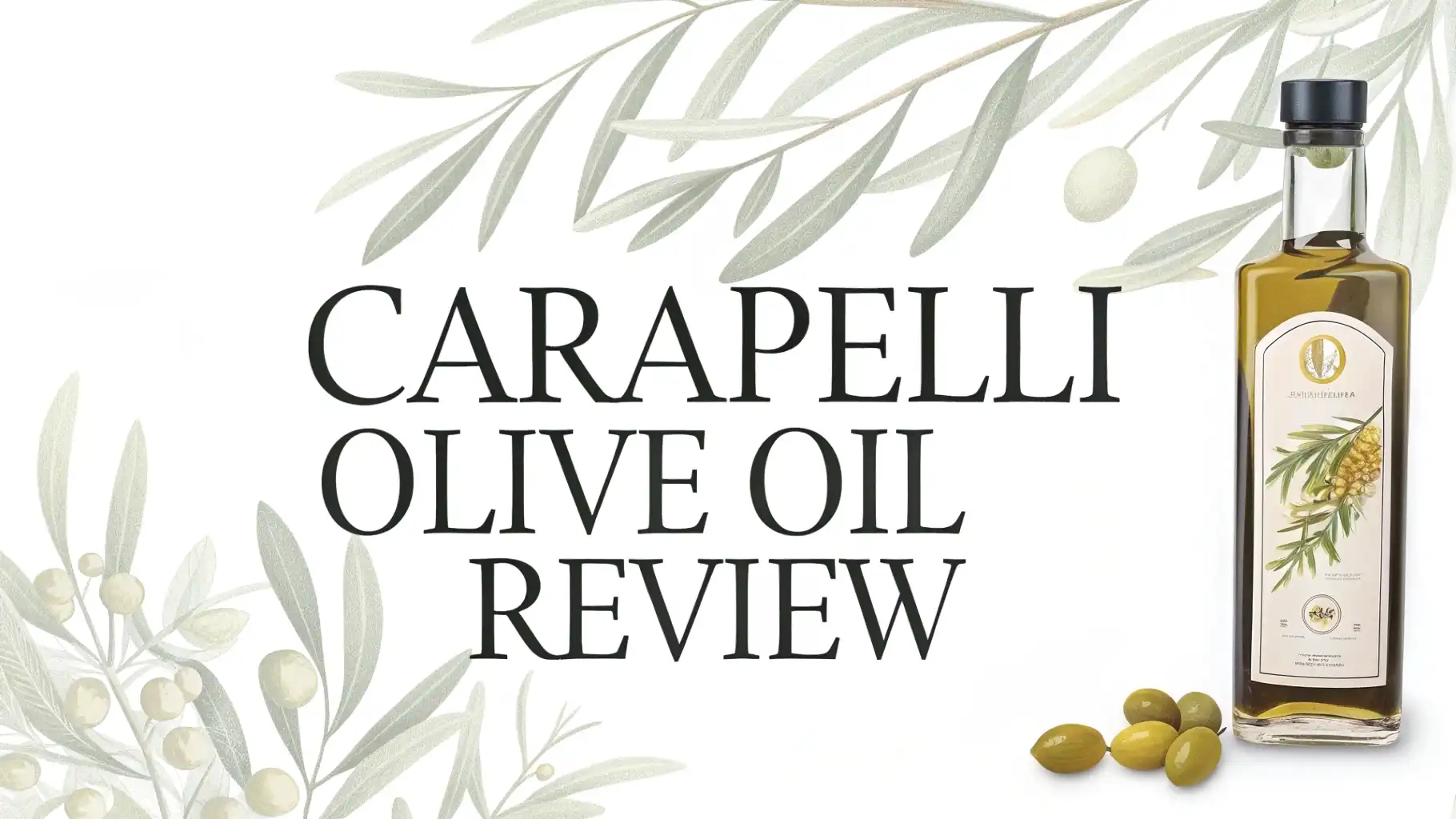
Olive oil forms the foundation of Mediterranean cooking. People use olive oil for salad dressings, cooking, and dipping bread.
Carapelli stands as one of the oldest olive oil companies in Italy with over 130 years of history.
This review examines all aspects of Carapelli olive oil products. You will learn about their production methods, taste profiles, health benefits, and best uses.
Key Takeaways
- Long Heritage: Carapelli started in 1893 in Florence, Italy as a family business and has grown into a globally recognized brand with over 130 years of olive oil production experience.
- Product Range: Carapelli offers several varieties including Original, Organic, Unfiltered, and 100% Italian, each with distinct flavor profiles suited for different culinary applications.
- Quality Testing: Despite past controversies, Carapelli implements extensive quality control with 12 analytical methods to ensure authenticity and freshness of their extra virgin olive oils.
- Value Option: Carapelli provides a mid-range price point offering reasonable quality for everyday use, though opinions vary on whether it competes with premium boutique oils.
- Versatility: The mild, balanced flavor profile makes Carapelli suitable for multiple cooking applications from cold uses like salad dressings to higher-heat cooking methods.
The History of Carapelli Olive Oil

- Item Package Weight: 2.58 lb
- Item Package Length: 3.079"
Carapelli Olive Oil traces its roots back to 1893. Newlyweds Cesira and Costantino Carapelli founded the brand in Florence, Italy. The couple invested Cesira’s dowry into a small factory. Their vision centered on creating quality olive oil for Italian families. This humble beginning marked the start of what would become one of Italy’s most recognized olive oil producers.
The brand achieved an important milestone when they created Il Frantolio. This product became the first bottled Extra Virgin Olive oil distributed throughout Italy. This innovation helped change how consumers purchased and used olive oil. Instead of bulk containers, families could now buy conveniently bottled high-quality oil.
Over the decades, Carapelli expanded beyond Italian borders. The company maintained its commitment to traditional methods while adopting modern techniques. Today, the brand operates under the umbrella of Deoleo. This parent company manages several major olive oil brands globally.
The long history gives Carapelli credibility in the market. Their experience spanning more than a century provides valuable knowledge of olive cultivation and oil production. The brand’s story emphasizes family heritage and Italian traditions. These elements remain central to their marketing and brand identity today.
Carapelli Olive Oil Product Range
Carapelli offers several different olive oil varieties to suit various tastes and cooking needs. The product lineup includes distinct options that cater to different preferences and culinary applications.
The Carapelli Original Extra Virgin Olive Oil stands as their flagship product. This oil features a balanced flavor profile with fruity notes. People enjoy it for everyday cooking and direct consumption. The bottle design features the traditional Carapelli branding with gold and green accents.
For health-conscious consumers, Carapelli Organic Extra Virgin Olive Oil provides a certified organic option. This variety features slightly green nuances and a mildly spicy finish. The production follows strict organic standards without artificial pesticides or fertilizers.
The Carapelli Unfiltered option offers a more rustic experience. This oil contains small bits of olive pulp that give it a cloudy appearance. The flavor profile includes notes of vegetables, nuts, fresh almonds, and apple. This variety appeals to people seeking a more authentic olive oil experience.
For purists, Carapelli 100% Italian Extra Virgin Olive Oil comes exclusively from Italian-grown olives. This single-origin product emphasizes regional character and traceability. The flavor tends toward medium intensity with distinctive Italian olive varieties.
The brand also offers a premium option called Carapelli Il Nobile that targets gourmet food enthusiasts. Additionally, their 125 Years Celebration olive oil commemorates the company’s long heritage with a special blend of their finest oils.


Production Methods and Quality Standards
Carapelli implements a rigorous production process to create their olive oils. The company selects olives at optimal ripeness to balance flavor intensity and oil yield. Harvest timing varies by olive variety and growing region. Olives must reach the processing facility quickly after picking to prevent degradation.
The extraction follows the cold-pressing method. This technique maintains a temperature below 80°F (27°C) during processing. Cold pressing preserves more nutrients and flavor compounds in the final product. The company uses modern milling equipment that crushes olives into a paste. This paste undergoes malaxation where it mixes slowly to help release oil droplets.
Quality control remains central to Carapelli’s operations. According to their website, they employ 12 mandatory analytical methods to assess olive oil authenticity. These tests include:
- Free acidity measurement
- Peroxide value determination
- UV absorption analysis
- Ethyl esters quantification
- Sensory evaluation by trained tasters
The company states they collect samples from all oil presses. These samples undergo quality and sensory property analysis. Consumer testing provides additional feedback on taste profiles. Only oils meeting their standards continue to bottling and distribution.
Carapelli packages their oils in dark glass bottles. This packaging choice protects the oil from light exposure that can cause oxidation. The bottles include details about harvest dates and suggested use-by timelines. This information helps consumers assess freshness before purchase.
Taste Profile and Culinary Applications
Carapelli olive oils offer distinct flavor characteristics depending on the specific variety. The Original blend presents a medium-bodied profile with balanced fruity notes. Tasters detect hints of green tomato and fresh leaves. The mouthfeel remains smooth with minimal bitterness and a gentle peppery finish.
The Organic variety features green nuances and a more pronounced character. This oil contains slightly more robust flavors with notes of freshly cut grass. The finish includes a pleasant light spiciness that lingers briefly. This moderate intensity makes it versatile for various dishes.
For more adventurous palates, the Unfiltered version provides deeper complexity. This oil combines vegetable notes with nutty undertones and fresh almond accents. A subtle apple hint adds interest to the flavor profile. The presence of olive sediment creates a more rustic texture and intensifies the taste experience.
Culinary applications for Carapelli oils span many cooking styles. The lighter varieties work well for:
- Salad dressings
- Bread dipping
- Drizzling over finished dishes
- Cold preparations like carpaccio
The more robust options suit:
- Marinades for meats and vegetables
- Pasta sauces
- Soups and stews
- Grilled dishes
Carapelli’s medium smoke point (around 320°F/160°C) makes it suitable for most cooking methods except very high-heat frying. The oils maintain their flavor integrity when used for sautéing and medium-heat cooking. For best flavor preservation, add a fresh drizzle after cooking to enhance the dish with raw olive oil’s aromatic qualities.
Health Benefits of Carapelli Olive Oil
Extra virgin olive oil offers numerous health advantages. As a core component of the Mediterranean diet, olive oil contains beneficial compounds that support wellness. Carapelli’s extra virgin varieties provide these health benefits when used as part of a balanced diet.
The monounsaturated fats in olive oil support heart health. These healthy fats can help reduce LDL cholesterol levels while maintaining or increasing HDL cholesterol. Studies show that replacing saturated fats with monounsaturated fats improves cardiovascular risk factors. Carapelli oil contains approximately 73% monounsaturated fatty acids, primarily oleic acid.
Antioxidant content represents another significant benefit. Extra virgin olive oil contains polyphenols that fight oxidative stress. These natural compounds include:
- Oleuropein
- Hydroxytyrosol
- Tyrosol
- Oleocanthal
These substances help protect cells from damage and may reduce inflammation. The antioxidant levels vary between Carapelli varieties, with the Organic and Unfiltered options typically containing higher amounts due to their minimal processing.
Research suggests olive oil consumption may help manage blood pressure. The polyphenols and monounsaturated fats contribute to improved vascular function. Regular olive oil consumption appears in studies showing reduced risk of hypertension among Mediterranean populations.
Digestive benefits also exist. Olive oil can help stimulate bile production, aiding digestion. It may reduce the risk of gallstones and improve nutrient absorption. Some evidence indicates olive oil might support gut microbiome health through its anti-inflammatory properties.
Brain health gains attention in olive oil research. The antioxidants may help protect against cognitive decline. Studies associate Mediterranean diet adherence, including regular olive oil consumption, with reduced risk of neurodegenerative conditions.
Price Point and Value Analysis
Carapelli olive oil occupies a middle position in the market price spectrum. The brand offers more affordable options compared to boutique olive oil producers. However, it costs more than generic store brands.
The standard 16.9-ounce (500ml) bottle of Carapelli Original Extra Virgin Olive Oil typically retails between $10-15 depending on the retailer. The specialty varieties like Organic and Unfiltered command higher prices, usually $13-18 for the same size. The premium 100% Italian and 125 Years Celebration options reach $20-25 per bottle.
Value assessment requires comparing quality to price. Carapelli provides certified extra virgin status at a reasonable cost. The oils undergo quality testing and come in protective dark glass bottles. These features justify the moderate pricing for casual consumers seeking better-than-basic olive oil.
For comparison, premium single-estate Italian oils often cost $30-40 for similar sizes. Budget store brands price at $6-9 for basic extra virgin options. Carapelli positions between these extremes, offering improved quality over budget brands without reaching artisanal price points.
Consumer opinions on value vary. Some users report satisfaction with the quality-to-price ratio. Others mention finding similar quality for less money from competing brands. The value perception depends partly on individual taste preferences and intended use cases.
Bulk purchasing improves the value equation. Carapelli offers larger 33.8-ounce (1-liter) bottles that provide better value per ounce. These larger sizes suit households that use olive oil frequently. The cost savings can reach 15-20% per ounce compared to smaller bottles.
Consumer Reviews and Opinions
Consumer feedback about Carapelli olive oil shows mixed opinions. Reviews from various online platforms reveal both positive and negative experiences with the brand’s products.
Many satisfied users praise the mild, approachable flavor profile. These consumers appreciate the balanced taste that works well in diverse recipes. One Amazon reviewer described the Unfiltered Organic variety as “the most delicious, freshest-tasting, most full-bodied and well-rounded flavor, gently green, floral, and mildly sweet all at once.”
Target.com reviews indicate appreciation for the light character. A customer noted: “The flavor is really light and it takes other flavors well. Cooking with it leaves no aftertaste.” This quality makes the oil suitable for people new to olive oil or those preferring subtle flavors.
Reddit discussions present more critical perspectives. Some users find Carapelli “light-bodied and flavorless” compared to other brands. A Reddit commenter stated: “After trying it this is maybe the lightest bodied and flavorless one I’ve tried yet.” This critique appeared particularly in forums dedicated to gourmet foods where participants prefer more robust profiles.
Professional reviews offer additional insight. America’s Test Kitchen named Carapelli Original Extra Virgin Olive Oil their top scorer in supermarket options. They cited its “grassy aroma; medium intensity; fruity, buttery olive flavor” as winning qualities in their taste test.
The visual appearance generates positive comments. Consumers appreciate the dark glass bottle that protects oil quality. The unfiltered variety receives specific mention for its authentic appearance with olive sediment visible in the oil.
Some negative reviews focus on inconsistency between bottles. These users report variation in flavor intensity across different purchases. This issue may reflect olive oil’s natural vintage variation rather than quality control problems.
The Carapelli Controversy
Carapelli faced criticism regarding product authenticity in past years. Understanding this history provides important context for consumers evaluating the brand today.
In 2009, Carapelli filed a lawsuit against a German journalist. The reporter had published information questioning the quality and labeling accuracy of Carapelli olive oils. The company ultimately lost this legal challenge. This outcome raised consumer concerns about transparency in the olive oil industry.
A more significant issue emerged in 2010. Researchers at the University of California, Davis conducted a study examining supermarket olive oils. Their findings indicated that Carapelli’s Extra Virgin Olive Oil failed to meet true “Extra Virgin” standards in laboratory testing. This research became part of a broader controversy about imported olive oil quality in American markets.
The study suggested that many imported oils labeled as extra virgin did not meet chemical or sensory criteria for that classification. Issues included excessive free fatty acid levels, evidence of oxidation, and sensory defects. These findings raised questions about quality control and labeling accuracy across the industry.
In response to industry-wide concerns, olive oil standards received greater attention. Regulators implemented stricter testing protocols and enforcement. Companies including Carapelli adjusted their quality assurance processes. Today, most major brands face more rigorous verification requirements.
Current Carapelli products undergo multiple quality checks. The company’s website describes their testing protocols including:
- Chemical composition analysis
- Sensory evaluation by trained panels
- Consumer taste testing
These measures aim to restore consumer confidence and ensure consistent quality. While the controversy remains part of Carapelli’s history, the company has worked to address past criticisms through enhanced quality control procedures.
Comparing Carapelli to Other Olive Oil Brands
The olive oil market offers many choices for consumers. Comparing Carapelli to competitors helps place the brand in context within the broader market.
Bertolli represents a similar price-point competitor. Both brands offer widely distributed extra virgin olive oils at moderate prices. Carapelli typically provides slightly more complex flavor notes than basic Bertolli products. However, Bertolli offers more variety in specialty blends with herbs and spices.
California Olive Ranch stands as a premium domestic alternative. This American brand costs slightly more than Carapelli but delivers consistent quality with transparent sourcing information. California Olive Ranch oils often present bolder flavor profiles with more pronounced peppery finishes than Carapelli’s milder character.
Filippo Berio competes directly in the mid-range segment. The flavor profiles share similar characteristics, with both brands offering approachable options suitable for everyday cooking. Carapelli’s unfiltered and organic options provide more distinctive alternatives than Filippo Berio’s standard lineup.
Colavita positions as another Italian import in similar price brackets. Taste comparisons suggest Colavita delivers slightly sharper peppery notes compared to Carapelli’s smoother profile. Both brands emphasize Italian heritage and traditional production methods in their marketing.
For premium comparison, brands like Laudemio and Frantoia represent higher-end Italian imports. These products cost substantially more than Carapelli but offer more intense flavor experiences. The premium brands typically provide more specific information about olive varieties and exact growing regions.
Store brands like Kirkland Signature (Costco) and 365 (Whole Foods) offer lower-priced alternatives. These private label options sometimes provide surprising quality despite lower prices. Consumer testing suggests some store brands deliver comparable quality to Carapelli for everyday cooking purposes.
How to Best Use Carapelli Olive Oil in Your Kitchen
Carapelli olive oils perform well in various culinary applications. Understanding their optimal uses helps maximize flavor and value in your cooking.
For cold applications, the Original and Organic varieties work excellently. Use these oils in:
- Salad dressings mixed with vinegar or lemon juice
- Bread dipping with herbs and spices
- Drizzling over finished dishes like soups or grilled vegetables
- Cold sauces such as pesto or aioli
The balanced flavor enhances foods without overwhelming them. Start with a small amount and adjust to taste.
For cooking applications, Carapelli maintains good stability at medium heat. Suitable cooking methods include:
- Sautéing vegetables at medium temperatures
- Shallow pan-frying meats and fish
- Roasting vegetables in the oven
- Adding to pasta sauces and stews
The Unfiltered variety works particularly well for rustic dishes where its more pronounced flavor adds character. This option brings complexity to bean soups, hearty stews, and roasted meat dishes.
Storage practices affect oil quality significantly. Keep Carapelli bottles:
- Away from direct light
- In a cool cabinet away from the stove
- Tightly sealed after opening
- Used within 3-6 months of opening for best flavor
Pour sizes appropriate for immediate use rather than leaving oil in measuring cups for extended periods. Oxygen exposure accelerates quality degradation.
For special occasion cooking, consider using the 100% Italian or 125 Years Celebration varieties. These premium options shine in simple preparations that showcase the oil itself. A drizzle over fresh mozzarella, ripe tomatoes, and basil creates an elegant appetizer highlighting the oil’s quality.
The Future of Carapelli and Sustainable Olive Oil Production
Carapelli continues evolving to meet changing consumer expectations. The brand increasingly emphasizes sustainability and environmental responsibility in its production practices.
Olive farming faces climate change challenges. Rising temperatures and altered rainfall patterns affect traditional growing regions. Carapelli works with farmers to implement resilient agricultural methods. These include water conservation techniques and improved soil management practices.
Organic certification represents one aspect of this sustainability focus. The Carapelli Organic line eliminates synthetic pesticides and fertilizers from the production chain. This approach reduces chemical runoff into waterways and supports healthier soil biology.
Traceability initiatives gain prominence in the brand’s marketing. The 100% Italian line features information about olive origins. This transparency helps consumers understand product sourcing and supports more direct connections between producers and customers.
Packaging innovations address environmental concerns. While Carapelli maintains dark glass bottles for quality preservation, they continue researching more sustainable materials. Future developments may include lighter-weight glass or partially recycled packaging components.
Digital technology enables improved quality verification. Carapelli implements QR codes on some products to provide harvest information and quality testing results. This technology helps consumers verify authenticity and freshness.
Consumer education forms another forward-looking initiative. The company’s website and social media platforms share information about olive oil selection, storage, and usage. This educational content helps customers understand quality differences and make informed purchasing decisions.
Industry collaboration addresses broader challenges. Carapelli participates in olive oil industry organizations working to establish clearer standards and combat fraudulent products. These collective efforts aim to improve consumer confidence in the entire olive oil category.
Frequently Asked Questions
Is Carapelli olive oil authentic extra virgin olive oil?
Carapelli olive oil meets legal requirements for extra virgin olive oil classification. The company implements quality testing including acidity level verification and sensory evaluation. Past controversies raised questions about authenticity but their current testing protocols address these concerns.
What makes olive oil extra virgin?
Extra virgin olive oil comes from the first pressing of olives using mechanical methods without heat or chemicals. It must have acidity below 0.8% and pass sensory evaluation without defects. The flavor should include fruity qualities without rancidity or fermentation notes.
Does Carapelli olive oil come from Italy?
Some Carapelli products source olives exclusively from Italy, particularly their 100% Italian line. Other varieties may include olives from other Mediterranean countries like Spain and Greece. The company started in Florence, Italy but sources olives from various regions to maintain supply and quality.
How should I store Carapelli olive oil?
Store Carapelli in a cool, dark place away from heat and light. Keep the bottle tightly sealed when not in use. Avoid storing near the stove or in direct sunlight. For best quality, use within six months after opening. The dark glass bottle helps protect against light damage.
Can I cook at high heat with Carapelli olive oil?
Carapelli extra virgin olive oil works best at low to medium cooking temperatures up to about 320°F (160°C). While it remains stable enough for most cooking methods, very high-heat applications like deep frying may exceed its smoke point. For high-heat cooking, consider using their non-extra virgin options or other high smoke point oils.
Last update on 2026-01-20 / Affiliate links / Images from Amazon Product Advertising API Some of the links on this website are affiliate links, which means that at no additional cost to you, I earn a commission if you click through and make a purchase. I only recommend products and services that I believe will add value to my readers. Thank you for your support!